
Non Ferrous Metal Aluminium

Non Ferrous Metal – Lead Aluminum is a remarkable chemical element celebrated for its combination of lightweight properties and exceptional versatility. Known for its softness, malleability, and ductility, aluminum is easily shaped and processed, making it indispensable across industries ranging from construction to aerospace. It boasts excellent thermal and electrical conductivity, ensuring efficiency in heat dissipation and electrical applications. A freshly exposed surface of aluminum has a bright, silvery appearance that resists tarnishing, thanks to a thin oxide layer that forms naturally, enhancing its durability and corrosion resistance. Related Posts Non Ferrous Metal Aluminium Non Ferrous Metal – Lead Lead is a naturally occurring… Read More December 2, 2024 Non Ferrous Metal Copper Non Ferrous Metal – Copper Copper is a versatile chemical… Read More December 2, 2024 Non Ferrous Metal Lead Non Ferrous Metal – Lead Lead is a naturally occurring… Read More December 2, 2024 Something You Would Also Like Non Ferrous Metal Aluminium Non Ferrous Metal – Lead Lead is a naturally occurring… Read More December 2, 2024 Non Ferrous Metal Copper Non Ferrous Metal – Copper Copper is a versatile chemical… Read More December 2, 2024 Non Ferrous Metal Lead Non Ferrous Metal – Lead Lead is a naturally occurring… Read More December 2, 2024 Directive-Principles of the Association Directive Principles of Association Association Should focus on the Skill… Read More December 2, 2024 Load More Note : File Uploaded For Educational Purposes only. FedArch is Not Responsible for the content
Non Ferrous Metal Copper

Non Ferrous Metal – Copper Copper is a versatile chemical element known for its unique physical properties and widespread applications. As a soft, malleable, and ductile metal, it excels in both flexibility and workability, making it an essential material in various industries. Copper is highly valued for its exceptional thermal and electrical conductivity, which ranks among the highest of all metals, ensuring its prominence in electrical wiring and heat transfer systems. A freshly exposed surface of pure copper reveals a distinctive pinkish-orange hue, adding a touch of warmth and aesthetic appeal to its functional qualities. Related Posts Non Ferrous Metal Copper Non Ferrous Metal – Copper Copper is a versatile chemical… Read More December 2, 2024 Non Ferrous Metal Lead Non Ferrous Metal – Lead Lead is a naturally occurring… Read More December 2, 2024 Something You Would Also Like Non Ferrous Metal Copper Non Ferrous Metal – Copper Copper is a versatile chemical… Read More December 2, 2024 Non Ferrous Metal Lead Non Ferrous Metal – Lead Lead is a naturally occurring… Read More December 2, 2024 Directive-Principles of the Association Directive Principles of Association Association Should focus on the Skill… Read More December 2, 2024 Get Started FedArch Association: Building the Future of Architecture FedArch is a… Read More December 1, 2024 Note : File Uploaded For Educational Purposes only. FedArch is Not Responsible for the content
Non Ferrous Metal Lead
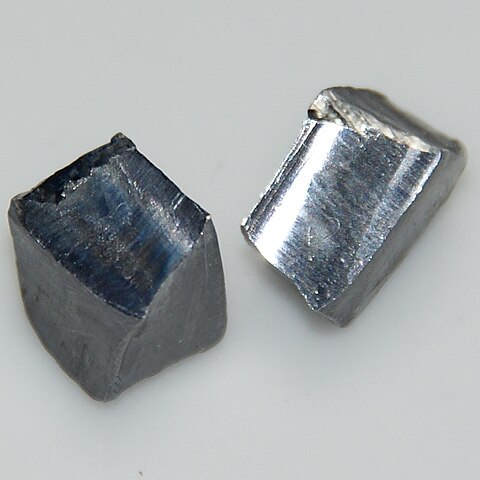
Non Ferrous Metal – Lead Lead is a naturally occurring element found in small amounts in the earth’s crust It used in Neolithic settlement Çatalhöyük ( Present Day Turkey ) It is also used by the Romans as Water Pipes It is metallic by nature. Related Posts Non Ferrous Metal Lead Non Ferrous Metal – Lead Lead is a naturally occurring… Read More December 2, 2024 Something You Would Also Like Non Ferrous Metal Lead Non Ferrous Metal – Lead Lead is a naturally occurring… Read More December 2, 2024 Directive-Principles of the Association Directive Principles of Association Association Should focus on the Skill… Read More December 2, 2024 Get Started FedArch Association: Building the Future of Architecture FedArch is a… Read More December 1, 2024 Note : File Uploaded For Educational Purposes only. FedArch is Not Responsible for the content
Directive-Principles of the Association
Directive Principles of Association Association Should focus on the Skill Development of its members The Association should actively promote the significance and necessity of architecture across the nation, raising awareness about its impact on society, culture, and the environment. The Association should provide guidance and support for thesis projects, internships, higher education, and other academic pursuits to nurture the professional and academic growth of aspiring architects. The Association should raise awareness about the discipline of architecture starting from the school level, inspiring young minds to appreciate and pursue the field. The Association should guide school students by providing them with essential knowledge and resources to explore architecture as a potential field of study and career path. The Association should actively promote vernacular and sustainable architecture through practical initiatives, such as workshops, training programs, model projects, and collaborations that demonstrate their application and benefits. The Association should actively promote regional architecture and support architectural discourse in regional languages by producing essential documentation, articles, and related publications. The Association should assist architecture students in pursuing higher education opportunities in both national and international universities by providing guidance, resources, and support throughout the application process. The Association should support architects in securing employment opportunities by fostering collaborations with architectural firms and connecting professionals with potential employers. The Association should actively engage in the research and development of innovative architectural techniques, fostering technological advancements and driving innovation in the field. The Association should actively participate in the development and promotion of new materials, encouraging innovation and sustainability in architectural design and construction. The Association should play a key role in creating a dynamic architecture community that brings together students and professionals, empowering both groups through collaboration, mentorship, and knowledge exchange. The Association should produce informative content to explain architectural subjects, making complex concepts accessible through articles, videos, guides, and other educational materials. The Association should establish a comprehensive repository to share architectural knowledge, including research, case studies, design resources, and best practices, fostering collaboration and continuous learning within the community. The Association should create a digital repository of reference materials for architecture students, providing access to essential resources such as books, journals, design guides, research papers, and case studies to support their academic and professional growth. The Association should facilitate communication for the procurement of various architectural services by connecting architects with specialized vendors and service providers. The Association should provide platforms for the development of sub-architectural disciplines such as architectural photography, architectural journalism, parametric architecture, interior design, and artificial intelligence in architecture. The Association should promote strategies to enhance cultural and contextual sensitivity, ensuring that architectural practices respect and preserve the cultural, historical, and social contexts of a place. The Association should conduct workshops that enhance the productivity of its members and provide valuable insights into the latest developments in the architectural field. The Association should engage in advocacy and policy development to influence architectural standards, promote sustainable practices, and support regulatory reforms that benefit the profession and society. The Association should uphold social and civic responsibility by addressing societal challenges through architecture, promoting inclusive design, and contributing to the well-being of communities through sustainable and accessible built environments.
Get Started
FedArch Association: Building the Future of Architecture FedArch is a visionary initiative created by architects and architecture students across India to form a collaborative platform for learning, sharing, and professional development. This association aims to serve as a hub where students, professionals, and firms come together to exchange knowledge, skills, and resources. Currently in its formative stages and preparing for registration under the Tamil Nadu Societies Act, FedArch envisions transforming the landscape of architectural education and practice in India. FedArch distinguishes itself by combining contemporary design approaches with a strong focus on vernacular architecture, celebrating India’s rich heritage of traditional building practices. Moreover, it seeks to make architectural knowledge accessible to a wider audience by developing resources and programs in regional languages. By bridging the gap between academic learning and real-world applications, FedArch sets the stage for a community-driven approach to advancing architecture and its allied fields. As a forward-thinking initiative, FedArch recognizes the importance of interdisciplinary collaboration, incorporating related fields such as interior design, product design, architectural photography, and architectural journalism into its framework. This inclusivity ensures that the association supports the diverse interests and career aspirations of its members, fostering a culture of innovation and mutual growth. Vision and Mission FedArch’s vision is to create a comprehensive and inclusive ecosystem for architectural excellence, where innovation, sustainability, and cultural heritage are celebrated. Its mission is to empower its members by providing education, mentorship, resources, and platforms for professional and creative growth. The association is dedicated to promoting architectural practices that are sustainable, context-sensitive, and accessible to all. Key Objectives and Initiatives School Awareness ProgramsFedArch aims to inspire the next generation by conducting awareness programs in schools. These initiatives introduce students to architecture as a creative and impactful career path, emphasizing its role in sustainable development and cultural preservation. Comprehensive Student Support Thesis Guidance: Mentorship for students to develop impactful and innovative thesis projects. Internship Opportunities: Facilitating connections with firms for hands-on learning experiences. Career Development: Providing personalized guidance for successful professional journeys. Skill Development WorkshopsTo address the dynamic needs of the architecture profession, FedArch organizes workshops covering essential skills such as sustainable design, 3D modeling, building technologies, and presentation skills. These sessions aim to equip members with the practical skills needed to excel in their careers. Collaboration with Architecture FirmsBy partnering with firms across India, FedArch creates a mutually beneficial platform where firms can share job opportunities, and members can access valuable networking and career opportunities. Digital Educational OutreachFedArch plans to leverage digital platforms, including a YouTube channel, to disseminate architectural knowledge. Content includes tutorials, podcasts, interviews, rural and urban documentaries, and explorations of vernacular architecture. Focus on Vernacular Architecture and Regional LanguagesFedArch is deeply committed to promoting India’s rich tradition of vernacular architecture, which emphasizes sustainable and context-sensitive design. The association also aims to create educational resources in regional languages, making architectural knowledge accessible to all. Showcasing Creative EffortsFedArch offers platforms for students and professionals to display their projects and creative endeavors. By celebrating such contributions, the association fosters a culture of recognition and inspiration. Editorial Content and Digital RepositoryFedArch’s editorial initiatives explore significant architectural works, materials, and trends, creating a knowledge base for the community. Its digital repository includes portfolios, academic projects, and professional works, serving as a reference for students and practitioners alike. Interactive Blog and Idea SharingThe FedArch website will feature a blog for members to share insights, experiences, and innovations. This platform encourages community engagement and collaborative learning. Spaces for Interdisciplinary CollaborationFedArch extends its scope to related disciplines, enriching its offerings with: Interior Design: Crafting interior spaces that are both functional and aesthetically pleasing. Product Design: Innovation in furniture and architectural elements. Architectural Photography: Capturing the essence and beauty of built environments and design. Architectural Journalism: Encouraging critical discourse on architecture through writing and media. Conclusion Though still in its developmental stage, FedArch holds immense potential to redefine the architectural landscape in India. By fostering an environment of collaboration, education, and inclusivity, it empowers architects and students to contribute meaningfully to the built environment. With its focus on blending modern advancements with traditional knowledge, promoting architectural education in regional languages, and creating a space for interdisciplinary collaboration, FedArch is poised to become a transformative force in the architectural community. It is not just an association but a movement, laying the foundation for a dynamic and enduring community that will shape the future of architecture in India and beyond.